16 October 2026
Understanding Legal Cannabis Kief: A Practical Guide to This Potent Concentrate
Presented by @mylegalcannabiskiefmag
After years of working with cannabis in both traditional and modern settings, I've come to appreciate the quieter power of kief. It's something every regular cannabis user encounters, often by accident, when they clean out a grinder or notice that fine, golden dust collecting at the bottom of their stash jar. But kief is not just a happy accident. It's a fully realized cannabis concentrate with its own character and value. In places where cannabis is legal, legal cannabis kief has become a popular choice for people who want potency without the fuss of more complex extraction methods.
What Kief Actually Is
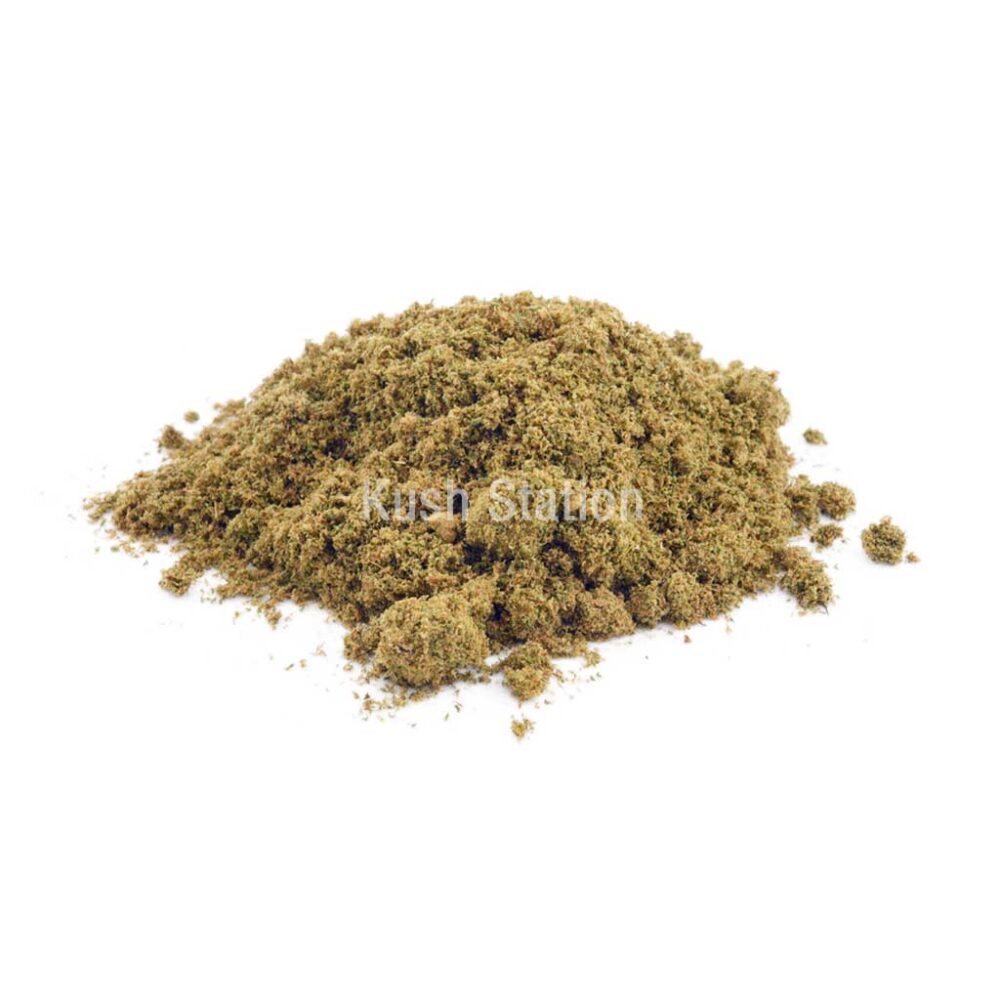
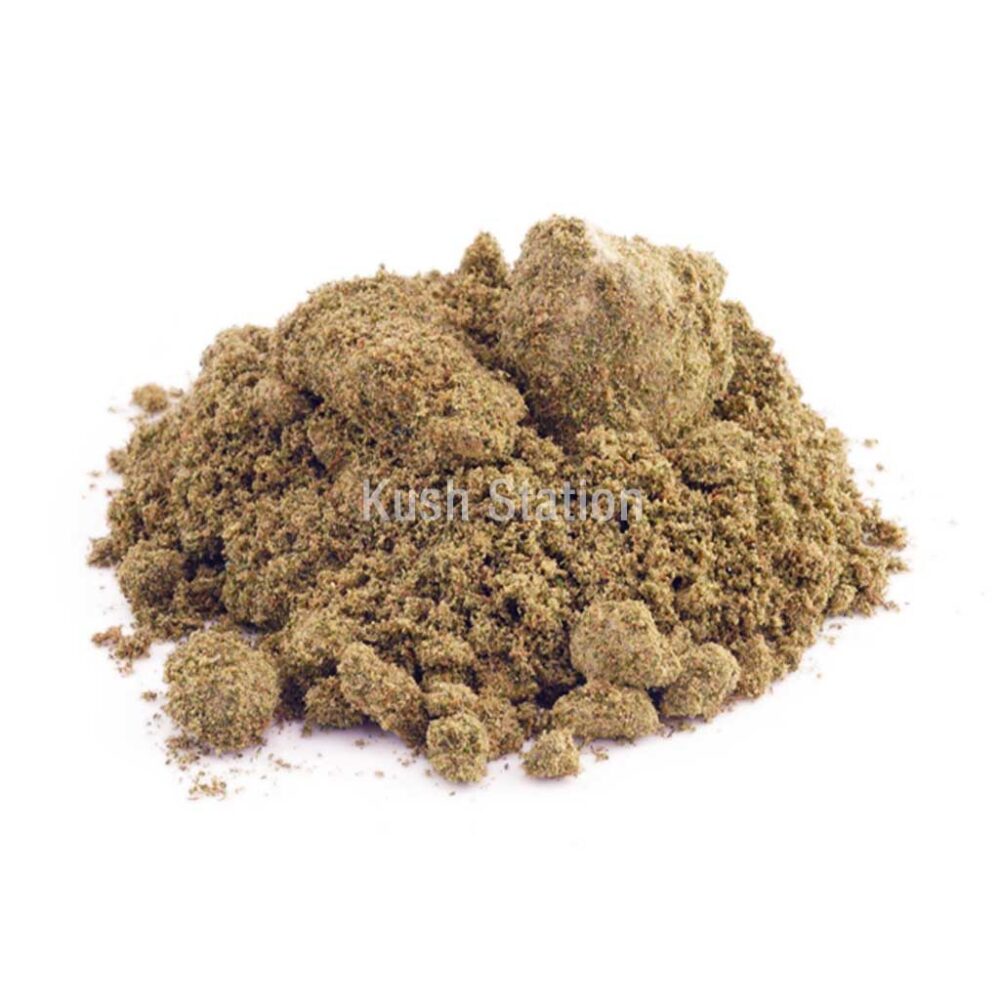
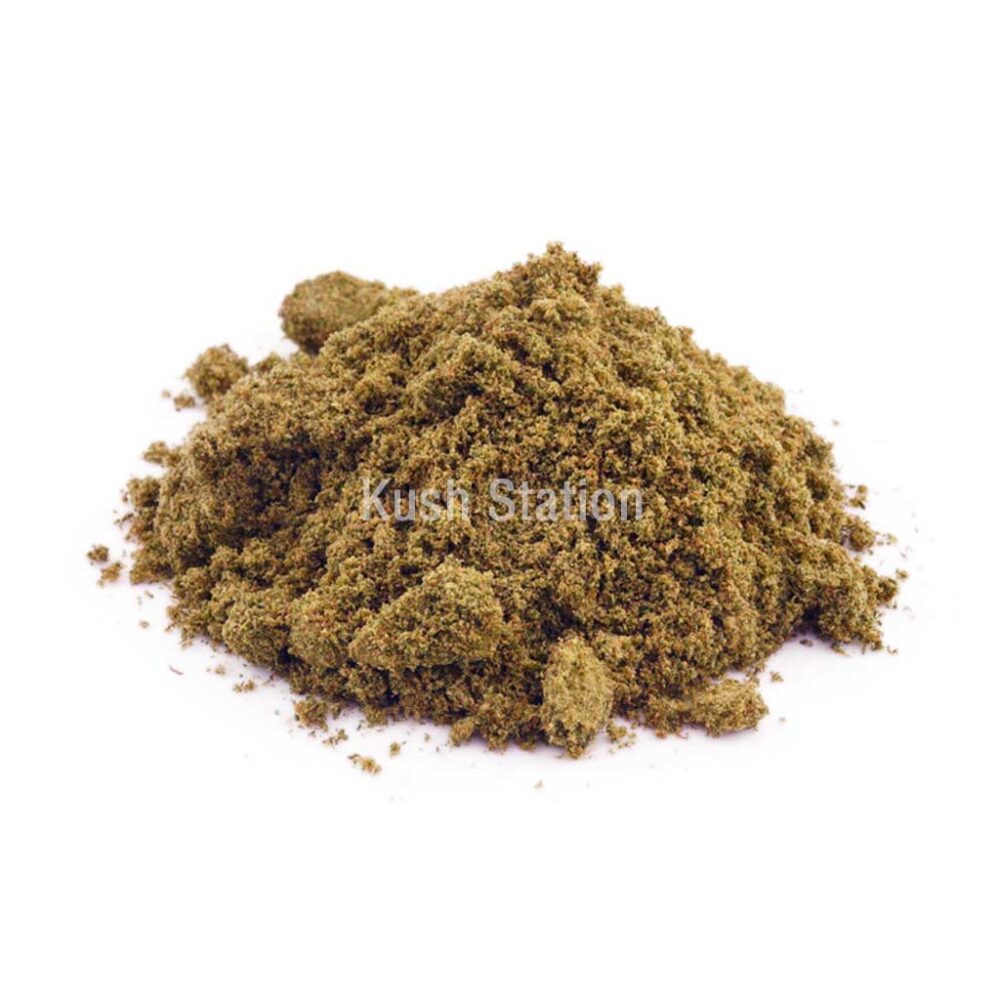
Kief is the collection of trichomes that fall off cannabis flower. Trichomes are those tiny, crystal-like glands that cover the surface of the plant. They're where the plant produces its resin, which holds most of the cannabinoids and terpenes. When you see a frosty bud, you're seeing a dense field of trichomes. Kief is essentially those trichomes, separated from the plant material. The process is called dry sifting, and it's one of the oldest ways to make a cannabis concentrate. The result is a fine, powdery substance that can range in color from pale green to deep gold, depending on the age and strain of the source material.
The beauty of kief lies in its purity. While flower contains a mix of plant matter, trichomes, and other bits, kief is almost entirely trichome heads. That means it's much richer in cannabinoids like THC and CBD, and it's also packed with the aromatic compounds, the terpenes, that give each strain its unique scent and flavor. For someone who appreciates the full expression of a cannabis plant, kief offers a more concentrated experience than flower alone.
One thing I've noticed over the years is how kief can vary drastically depending on the source. High-quality kief from a reputable source like KushStation often has a bright, almost sandy appearance and a strong, fresh aroma. Lower-grade kief can look dull and smell flat, which usually means it's been sitting around too long or contains more plant debris than it should. The best kief is made from fresh, well-handled cannabis, and it's a product that rewards careful sourcing.
How Legal Cannabis Kief Fits Into the Modern Market
For a long time, kief was something you only got as a byproduct. You'd grind your marijuana, and over time, the screen in your grinder would collect a layer of fine powder. You might press it into hash or sprinkle it on top of a bowl. But the legal market has changed that. Now, legal cannabis kief is sold as a standalone product, often with the same attention to strain and quality that you'd expect from flower or other cannabis concentrates.
This shift matters because it makes kief more accessible. You don't have to be a heavy user or a collector to appreciate it. Someone who enjoys a mild Sativa during the day can buy a small jar of kief from that same strain and use it to enhance their experience when they want a little more effect. Or someone who prefers Indica strains can find a kief made from their favorite heavy-hitting plant. The versatility of kief is one of its strongest points. It can be added to a bowl, used with a vaporizer, or pressed into hash. It doesn't require any special equipment, and it's forgiving for beginners.
I've seen people treat kief as a way to experiment with concentrates without jumping straight into dabbing. Dabbing requires a rig, a torch or an e-nail, and some practice. Kief, on the other hand, can be used in a regular pipe or a joint. It's a low-commitment way to explore the world of cannabis concentrates. That said, it's still potent. A little goes a long way, and it's easy to overdo it if you're not careful. The concentration of THC in kief can be two to four times higher than in the flower it came from.
Practical Ways to Use Kief
There are several common ways to use kief, and each one changes the experience a bit. Here are the methods I've found most useful:
- Sprinkling it on top of a bowl of flower, which adds potency and flavor to an ordinary smoke.
- Layering it into a joint or a blunt, either mixed with the flower or rolled in a thin line for a slow burn.
- Pressing it into hash, which is a simple process using heat and pressure that changes the texture and makes it easier to handle.
- Using it in a vaporizer, where it can produce a clean, flavorful vapor if the device is designed for concentrates.
Each method has its trade-offs. Sprinkling is the easiest, but it can burn unevenly if not mixed well. Pressing into hash is satisfying but requires some effort and a little practice. Using a vaporizer is efficient and preserves the flavor of the terpenes, but not all vaporizers handle kief well, and some require a special pad or accessory. I've ruined a few bowls by dropping too much kief on top and having it smolder rather than burn clean. A little restraint goes a long way.
Kief and Its Relationship to Other Concentrates
Kief sits in a category of its own among cannabis concentrates. It's not as refined as bubble hash, which is made through a solventless extraction using ice water and filters. Bubble hash can be even more pure, but it requires more steps and equipment. Kief is also different from the waxy concentrates used for dabbing, like live resin or rosin. Those are made by pressing fresh flower with heat and pressure to extract the oils directly. Kief is drier and more powdery.
The word "kief" itself comes from the Arabic word "kayf," which means pleasure or intoxication. That's a fitting origin, because kief has been used for centuries in parts of the Middle East and North Africa, often pressed into hashish for smoking or eating. Today, the methods have changed, but the idea is the same: separate the most potent part of the cannabis plant and use it with intention.
When I talk to people who are new to kief, I usually mention that it's a great entry point into the world of concentrates. It's less intimidating than dabbing, and it gives you a sense of what's possible when you strip away the plant matter and focus on the trichomes. For someone who has only ever smoked flower, trying a hit of legal cannabis kief can be a revelation. The flavor is more intense, and the effects come on faster and stronger.
Strain Selection Matters
One of the nice things about the current legal market is that you can buy kief made from specific strains. This is important because the strain determines the profile of cannabinoids and terpenes in the kief. A Sativa kief will give you a more energetic, focused high, while an Indica kief will be more sedating and relaxing. Hybrid strains offer a balance, and many people experiment to find what works best for their needs.
I've found that kief from a well-grown Indica is excellent for evenings when I want to wind down. The body effects are pronounced, and it doesn't take much to feel them. On the other hand, a Sativa kief can be great for creative work or social situations, as long as you're careful with the dosage. The concentration of THC means that even a small amount can be quite stimulating.
It's also worth noting that kief can contain a range of cannabinoids beyond just THC. CBD, for example, is present in varying amounts depending on the strain. Some people seek out kief from high-CBD strains for its calming effects without the intense psychoactive experience. This is another reason why sourcing matters. A trusted supplier like KushStation will often provide information about the cannabinoid content of their kief, which helps you make an informed choice.
Storing and Handling Kief
Kief is delicate. The trichome heads are fragile, and they can degrade if exposed to heat, light, or air for too long. I keep my kief in a small, airtight glass jar stored in a cool, dark place. A drawer or a cabinet works well. If you press it into hash, it becomes more stable and can be stored for longer without losing potency. But if you leave kief sitting out on a counter or in a plastic bag, it will lose its golden color and its aroma will fade.
Another practical tip: use a clean grinder with a fine mesh screen. The quality of the screen affects how much plant material ends up in your kief. A good screen lets the trichomes through while holding back the larger pieces. Over time, the screen can get clogged, so it's worth cleaning it every few weeks with a small brush or by freezing the grinder and tapping it to dislodge the residue.
Final Thoughts on Legal Cannabis Kief
Kief is one of those products that rewards patience and attention. It's not flashy, but it's effective. The fact that it's now sold legally as a standalone concentrate means that more people can explore what trichomes have to offer without the barrier of specialized equipment or knowledge. Whether you're a seasoned enthusiast or someone who just wants to get more out of their cannabis, legal cannabis kief is worth trying. It connects you to the plant in a way that flower alone can't, and it does so with a simplicity that's rare in the world of concentrates.
That said, it's not for everyone. If you have a low tolerance or you're sensitive to THC, kief can be overwhelming. Start with a tiny amount, smaller than you think you need, and wait at least fifteen minutes before deciding if you want more. The effects can creep up on you, especially if you're using it in a vaporizer or on top of a bowl. Respect the potency, and kief will serve you well.
In the end, kief is a testament to the power of the cannabis plant. It's a concentrated dose of everything that makes cannabis interesting: the aroma, the flavor, the effects. And in a legal market that's increasingly focused on convenience and potency, it holds its own as a classic, reliable choice.